Key takeaways
- Navigation is the biggest difference between cheap and good robots: random bounce vs LiDAR or camera mapping.
- Obstacle avoidance ranges from "bump and turn" to AI cameras that recognize socks and pet waste.
- Brush design and airflow matter more than the headline suction number.
- Docks have evolved from chargers to self-emptying, mop-washing, drying and refilling stations.
The parts of a robot vacuum
| Part | What it does |
|---|---|
| Navigation sensor | LiDAR, camera or 3D sensor that maps rooms and locates the robot |
| Obstacle sensors | Bumper, structured light, ToF or AI camera to avoid objects |
| Cliff sensors | Infrared sensors underneath that stop it falling down stairs |
| Side brush | Sweeps dirt from edges into the main brush's path |
| Main brush or rollers | Agitates carpet and lifts debris into the airflow |
| Fan and bin | Creates suction and stores debris behind a filter |
| Mop system | Pad, spinning pads or roller with a water tank (on 2-in-1 models) |
| Battery | Usually lithium-ion; typically 1.5–3 hours per charge |
| Dock | Charges and, on better models, empties, washes, dries and refills |
Navigation: how robots see your home
Random bounce. The cheapest robots drive until they hit something, then turn. They eventually cover a room but can't be told to clean a specific space. Few current models still work this way.
LiDAR. A spinning laser on top measures distances hundreds of times a second to draw an accurate map, even in the dark. It's the most common mapping system on good robots.
Camera (vSLAM). A camera tracks features like ceiling lights and door frames. Accurate in good light, weaker in the dark.
Low-profile designs. Makers now shrink or retract the laser, or swap it for flat 3D sensors, so flagships fit under more furniture: the Dreame X60 Max Ultra is under 8 cm tall. Compare them in LiDAR vs camera navigation.
Obstacle avoidance
Basic robots only know they've hit something when the bumper presses. Better ones project a pattern of light (structured light) or measure time-of-flight to see shapes in front. The best add an AI camera trained on thousands of images to recognize specific objects like cables, socks, shoes and pet waste, and steer around them.
Cleaning: brushes, airflow and suction
A side brush flicks dirt from edges toward the main brush, which agitates carpet and throws debris into the airflow. Rubber rollers resist hair better than bristles. Suction is quoted in pascals (Pa), but sealing and airflow matter as much; see suction power explained.
Mopping
Basic robots drag a damp cloth. Better ones spin two pads with downward pressure, or use a roller that's rinsed as it turns. The best lift or detach the mop on carpet. More in roller vs spinning mop.
Docks
A basic dock just charges. Self-emptying docks suck the bin out into a bag. All-in-one docks also wash and dry mops and refill water, and a few connect to plumbing. Read docking stations explained.
Apps and smart features
Mapping robots let you name rooms, set no-go zones, schedule cleans and control them by voice. Some send photos of obstacles, which raises privacy questions covered in robot vacuum privacy.
Most brands also work with voice assistants; see the best robot vacuums for Alexa and Google Home.
Living with a robot vacuum
A robot handles daily floor cleaning, not stairs or sofas, so many homes pair one with a stick; see robot vacuum vs stick vacuum. Pets usually adapt within days (here's how to introduce one), long hair calls for tangle-resistant brushes, big homes need longer runtimes and multi-floor maps, and with basic care a good robot lasts years: see how long robot vacuums last.
Ready to choose? Start with the best robot vacuums or ask are robot vacuums worth it?
Prices change often on Amazon. Check the live price before you buy.
Frequently asked questions
How does a robot vacuum know where it is?
Most use LiDAR (a spinning laser) or cameras to build a map and work out their position on it, a technique called SLAM (simultaneous localization and mapping). Wheel sensors and a gyroscope fill in between readings.
How does a robot vacuum avoid falling down stairs?
Infrared "cliff sensors" underneath constantly measure the distance to the floor. If it suddenly increases, the robot stops and turns.
How does it find its way back to the dock?
The dock emits an infrared beacon, and mapping robots also remember where the dock is on their map.
Keep reading
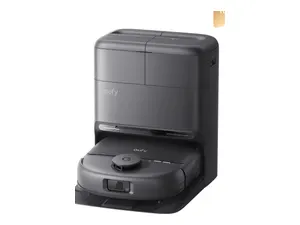 GuidesAre robot vacuums worth it?Are robot vacuums worth it? The honest pros and cons, time saved, real costs, who should skip one, and how to …
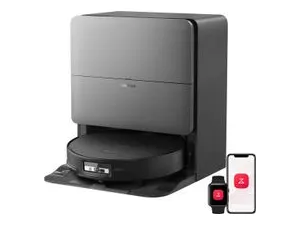 Best OfBest robot vacuumsThe best robot vacuums for 2027, ranked for every home and budget, with vacuum-mop and self-emptying picks fro…