How to introduce a robot vacuum to pets
Let them inspect it switched off
Leave the robot out for a day so they can sniff it.
Run it in another room first
Let pets hear it from a distance.
Use quiet mode at first
Lower noise is less alarming.
Reward calm behavior
Treats when they stay relaxed nearby.
Schedule runs when pets are settled or out
Many owners run it during walks.
Avoiding pet-mess disasters
A robot without object recognition can drag a pet accident across the house. If you have a puppy or an older pet, choose a robot with camera-based avoidance; see the best obstacle avoidance robots and best for pet hair.
Protect bowls, beds and litter areas
Draw no-go zones around water bowls (and no-mop zones nearby), pet beds and litter boxes. If the litter box is the real chore, a self-cleaning litter box helps too.
Prices change often on Amazon. Check the live price before you buy.
Frequently asked questions
Will a robot vacuum hurt my cat or dog?
No. Robots move slowly, have soft bumpers and stop on contact. The bigger risks are a scared pet or a robot spreading an accident.
Do cats ride robot vacuums?
Some do. It's harmless for the cat, but extra weight can affect navigation and wear the wheels.
Keep reading
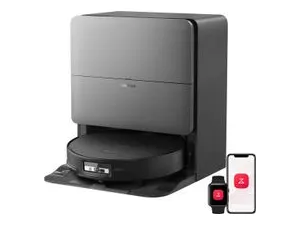 Best OfBest for pet hairThe best robot vacuums for pet hair in 2027: tangle-resistant brushes, self-emptying docks and AI obstacle avo…
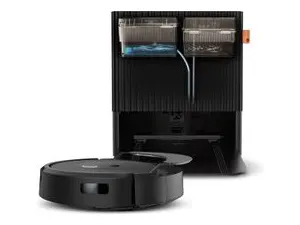 Best OfBest obstacle avoidanceThe best robot vacuums with obstacle avoidance in 2027: AI camera and 3D-sensing robots that dodge cables, soc…GuidesRobot vacuum setup guideHow to set up a robot vacuum step by step: dock placement, Wi-Fi, the first mapping run, room splitting, no-go…
 Best OfBest self-cleaning litter boxesThe best self-cleaning litter boxes for 2027: Litter-Robot 5 and 4, PETKIT and Neakasa ranked on cat safety, o…
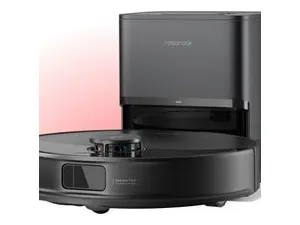 ComparisonsRobot vs stick vacuumRobot vacuum vs cordless stick vacuum: daily maintenance vs deep cleaning, stairs, upholstery, cost and time s…GuidesHow robot vacuums workHow robot vacuums work: LiDAR and camera navigation, mapping, obstacle avoidance, brushes, suction, mopping, c…